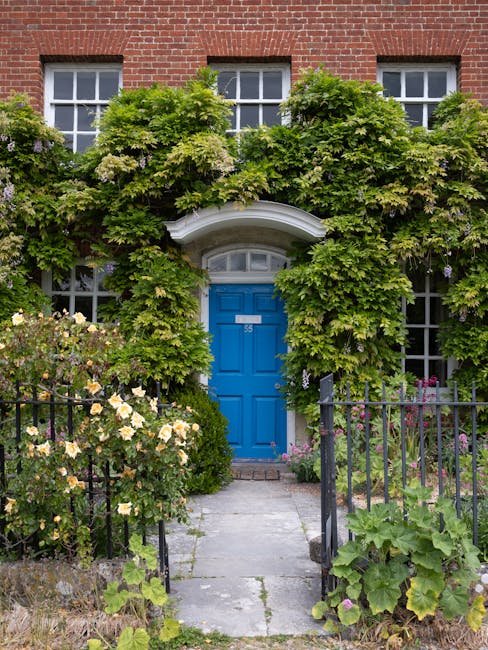
Templars Square gardeners top tips for small front gardens
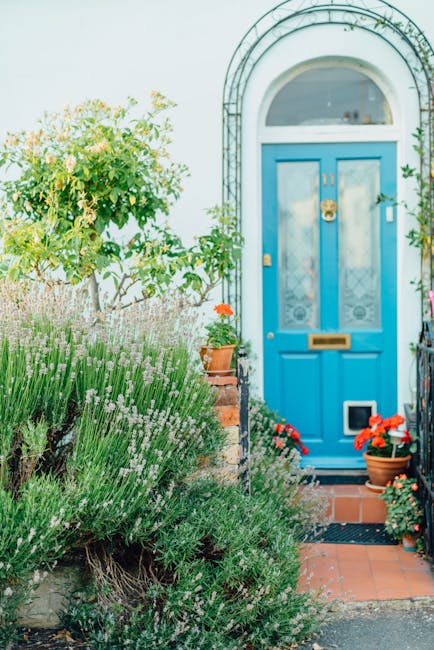
If your front garden feels too tight for anything meaningful, you are not alone. Small front gardens can be awkward little spaces: one side is a path, the other is a wall, and somehow the whole area still has to look tidy, welcoming, and easy to maintain. The good news? With the right planning, even a modest space can look sharp, feel larger, and work harder for you. In this guide to Templars Square gardeners top tips for small front gardens, we'll cover practical layout ideas, planting choices, maintenance shortcuts, and the common mistakes that make tiny spaces feel even smaller.
Whether you want better kerb appeal, a calmer entrance, or just a front garden that does not turn into a weekly chore, the principles are surprisingly straightforward. A few smart decisions early on save a lot of faffing later. Let's get into it.
Why Templars Square gardeners top tips for small front gardens Matters
Front gardens do more than look nice. They set the tone for the whole property, shape first impressions, and affect how easy your home is to live with day to day. In a small space, every square metre has a job to do. That might mean softening the house frontage, making the entrance clearer, or reducing the sense of clutter that builds up when paths, bins, hedges, and planting all compete for attention.
This is where thoughtful small-garden design earns its keep. A well-planned front garden can make a compact property feel more spacious than it is. It can also make maintenance more realistic, which is vital. Truth be told, a tiny garden can become a nuisance fast if it is overplanted, badly edged, or designed around the wrong idea of "maximum greenery". More plants do not always mean more beauty.
For many local homeowners, the front garden is also the bit visitors see first on a dark evening or wet Tuesday morning. If you live near busy roads or have limited frontage, the right planting and layout can make the space feel calmer and more private without blocking light. For heavier jobs like reshaping hedges or clearing a neglected boundary, a service such as garden maintenance can help keep the structure tidy year-round.
How Templars Square gardeners top tips for small front gardens Works
The basic approach is simple: reduce visual clutter, define the structure, and use planting that earns its place. In small front gardens, the best results usually come from working in layers.
Start with the hard landscaping. That includes the path, edging, steps, small retaining features, and any boundaries. These elements should make the space easy to cross and easy to read. Then add planting that supports the shape rather than fighting it. Low mounds, clipped forms, small evergreen structure, and restrained repetition all work well. Random plant mixes, by contrast, can make a tiny front plot feel busy and smaller than it is.
There is also a practical rhythm to the work. First you assess light, exposure, and access. Then you decide what must stay, what can be simplified, and what can be upgraded. After that comes the plant choice. If your front garden is shady, a guide like mastering shade gardening with evergreen climbers is especially useful because climbers and vertical greenery can add interest without swallowing floor space.
One of the biggest advantages of this method is control. You are not trying to create a big country-style border in a postage-stamp plot. You are designing a tidy, durable entrance that looks intentional. It is a different game entirely.
Key Benefits and Practical Advantages
There are a few reasons small front gardens respond so well to professional thinking. First, the visual payoff is immediate. A tidy boundary line, a clear path, and a handful of well-chosen plants can transform the feel of a house frontage in an afternoon, or close enough.
Second, good design reduces maintenance. That matters more than people admit. If you keep plants small, structure strong, and surfaces easy to reach, you spend less time pruning, weeding, and clearing debris. You also avoid the awkward half-job that happens when a border becomes too crowded to weed properly.
Third, thoughtful planting can improve privacy and soften harsh lines without making the space feel boxed in. A slim evergreen or compact hedge can frame the garden beautifully. If you want to explore that idea further, there is practical inspiration in fast-growing hedges for better privacy, though in a tiny front garden the key is choosing varieties that stay proportionate.
Fourth, you can support biodiversity in a modest way. Pollinator-friendly flowers, a few soil-friendly ground covers, and some varied textures can make the space feel alive. That does not mean turning the front into a meadow. It just means choosing plants with a purpose. A little goes a long way.
Expert summary: In a small front garden, the most successful designs usually combine three things: a clean structure, restrained planting, and low-maintenance surfaces. If one of those is missing, the whole space tends to wobble.
Who This Is For and When It Makes Sense
This approach suits homeowners who want a front garden that looks smart without becoming a weekend project. It is especially useful if you have:
- a narrow frontage
- a compact terrace or semi-detached entrance
- a shared path or small driveway edge
- shady conditions close to the house
- wind exposure from a corner plot or open street
- limited time for garden care
It also makes sense if the garden has become tired, overgrown, or a bit neglected. Some front gardens do not need a complete redesign. They need editing. That might mean removing a bulky shrub, refreshing the soil, replacing broken edging, and rethinking the planting palette. For neglected plots, the transformation can be surprisingly satisfying. There is a nice mindset shift in crafting beauty from neglect if your space has been ignored for a while.
If you have children or dogs using the front area on the way in and out, the garden may also need to be safer and simpler. For practical ideas on family-friendly and pet-friendly outdoor design, the site's guides on canine-compatible gardens and nurturing outdoor spaces for children can help you think through the trade-offs.
So, when does it make sense to call in help? Usually when you know what you want, but the execution is getting messy. That is a common one. A small garden can be fiddly in ways people do not expect.
Step-by-Step Guidance
Here is a practical process you can follow whether you are doing the work yourself or planning to brief a gardener clearly.
1. Measure the usable space, not just the boundaries
Small front gardens often feel smaller because the real usable space is reduced by paths, bins, steps, gates, and awkward corners. Measure the actual planting zones and note where people naturally walk. That tells you what is available, not what the title plan says.
2. Decide on the job of the garden
Ask a blunt question: what should this garden do first? Lead visitors to the door? Add privacy? Provide greenery year-round? Frame the house? If you try to do all of those equally, the result can become muddled. Pick one main job and one supporting job.
3. Simplify the structure
In small spaces, structure is everything. Edges should be crisp. Paths should be obvious. Boundaries should not feel like they are leaning in. If the space is choked by self-seeded growth or a tangled climber, consider a clear-back and reset. The article from ivy-menaced to ivy-free is a useful reminder that overgrowth can hide problems as well as create them.
4. Choose a limited planting palette
Use a few repeat plants rather than a different plant in every gap. Repetition creates calm. It also helps with maintenance because you learn how each plant behaves. In a tight front garden, three to five strong plant types are often better than fifteen restless ones. A mix of evergreen structure, low ground cover, and seasonal interest is usually enough.
5. Build height carefully
Vertical interest can save a tiny garden, but be selective. Wall climbers, slim supports, or a narrow tree can lift the eye without cluttering the floor. If your frontage is exposed, make sure taller elements are positioned so they do not catch every gust. The piece on strategic plant layout against garden wind is a smart companion read if your site is breezy.
6. Add one or two container focal points
Containers are ideal where soil is poor, paving dominates, or you want seasonal flexibility. They let you change the display without redesigning the whole space. The trick is not to overdo it. One good container can look intentional; six mismatched pots can look like a waiting area outside a DIY shop. For inspiration, see beautiful gardens in containers.
7. Finish with easy-care surfacing and maintenance habits
Gravel, paving, bark, and edging each have pros and cons. Choose the surface that fits your maintenance tolerance, not just your taste. Then set a routine. A small front garden should take minutes, not half a day, to keep presentable. Light pruning, deadheading, and sweeping done regularly usually beats a big rescue job later.
Expert Tips for Better Results
Here is where the details really start to matter. Small front gardens often succeed or fail on tiny decisions.
- Use repeated shapes. Rounded shrubs, clipped mounds, and straight edging feel calmer than a jumble of competing outlines.
- Keep planting low near windows and doors. You want daylight and sightlines to stay open.
- Match plant scale to the house. A tall shrub in a pocket-sized plot can dominate the whole frontage.
- Think in all seasons. Evergreen backbone matters because winter is long enough, let's face it.
- Use mulch or ground cover to suppress weeds. It saves time and gives the design a finished look.
- Trim before things get out of hand. Waiting until everything is shaggy tends to mean more hard pruning than you expected.
One practical observation: small front gardens often look best when they are slightly underfilled rather than overfilled. That may sound counterintuitive, but it gives each plant room to breathe and makes maintenance easier. Empty space is not failure. It is visual rest.
If your property edge is dominated by a tired hedge or mixed boundary mess, you might find the section on hedge trimming and the broader guide to hedge shaping helpful. Clean lines can change everything. Really.
And one more thing: do not ignore the soil. Small gardens are not automatically easy gardens. Compacted front soil, builder's rubble, and poor drainage are common. Feed the bed properly, improve texture where needed, and use sensible planting depths. You will notice the difference within a season.
Common Mistakes to Avoid
A lot of front garden frustration comes from a handful of predictable errors. Avoiding these can save time, money, and a few muttered complaints under your breath.
- Planting too densely. It looks full for about five minutes, then becomes cramped and hard to maintain.
- Choosing fast growers without a plan. Speed is useful, but only when the mature size still fits the space.
- Mixing too many styles. A Zen-style layout, cottage planting, and formal topiary can work separately, but together they often argue.
- Ignoring boundaries. A messy fence, broken wall, or tired hedge pulls the whole frontage down.
- Overcomplicating the colour scheme. One or two main colours plus foliage texture is usually enough.
- Forgetting upkeep access. If you cannot reach the back of the bed, weeds will absolutely notice.
Another one people miss: they focus on flowers and forget the view from indoors. In a front garden, you often see the space from the hallway, lounge window, or front door more than from outside. Design for that view as well. It is a small detail, but it matters.
Be especially cautious with large ornamental grasses, sprawling shrubs, and vigorous climbers. They are lovely when placed well; they are a headache when not. If a plant is likely to need frequent correction, ask whether it deserves that spot at all.
Tools, Resources and Recommendations
You do not need a van full of specialist equipment to improve a small front garden. In fact, too many tools can slow you down. A compact kit usually works best.
| Task | Useful tool or resource | Why it helps |
|---|---|---|
| Pruning and shaping | Secateurs, hand shears, loppers where needed | Keeps shrubs, hedges, and climbers neat without damaging growth |
| Weed control | Hand weeder, mulch, regular edging | Stops small jobs becoming big ones |
| Planting and soil prep | Spade, fork, compost, organic matter | Improves structure and helps new plants settle |
| Boundary refresh | Cleaning tools, hedge care, replacement edging | Sharpens the whole front view |
| Ongoing care | Simple maintenance schedule | Prevents the garden drifting into neglect |
For beginners, the article the new gardener's toolkit is a sensible place to start. It covers practical basics without overcomplicating things. If weeds are your main headache, weed control tips can save time in a surprisingly small way that adds up.
Sometimes the best resource is not a tool at all but a good maintenance cadence. A light sweep, a quick check for fallen leaves, and a five-minute tidy-up once a week can keep a front garden looking cared for. Small, consistent effort beats heroic one-off sessions. Every time.
Law, Compliance, Standards, or Best Practice
For front gardens in the UK, the main point is to keep the space safe, accessible, and respectful of neighbouring property and public access. You do not need to turn garden design into a legal maze, but a few sensible standards matter.
If the frontage includes shared paths, boundaries, or access routes, make sure nothing obstructs movement or creates a trip hazard. Uneven paving, loose gravel, and overhanging growth can all become awkward, especially after rain. If you are working near steps, slopes, or public-facing paths, it is worth taking safety seriously from the start.
Homeowners also tend to forget that pruning and hedge work can create risk when tools are used badly or ladders are involved. That is why a proper safety approach matters. The site's pages on insurance and safety and health and safety policy are relevant if you are choosing professional help. They show the kind of practical caution you should expect.
Noise, waste removal, and boundary work may also need a bit of common sense and neighbourly care. If you are planning a larger tidy-up or boundary refresh, it helps to agree what is being done and when. Simple communication prevents strange little disputes. Nobody needs those on a Saturday morning.
Where you are unsure, professional advice is the safest route. Gardening should feel improving, not risky.
Options, Methods, or Comparison Table
There is more than one way to improve a small front garden. The right choice depends on your time, budget, and how much upkeep you can realistically live with.
| Approach | Best for | Pros | Trade-offs |
|---|---|---|---|
| Minimal planting with strong hard landscaping | Very small, busy, or low-maintenance frontages | Clean, tidy, easy to care for | Can feel plain if not softened with texture |
| Layered planting with compact shrubs and perennials | Homeowners wanting a softer look | Seasonal interest, more character | Needs pruning and occasional reshaping |
| Container-led design | Paved, poor-soil, or flexible spaces | Easy to refresh and reposition | Pots dry out faster and need watering |
| Climber and vertical design | Narrow or wall-heavy gardens | Saves floor space, adds height | Needs good support and regular checking |
In practice, the best small front gardens often combine two methods rather than relying on one alone. For example, a clean paved path with one or two containers and a slim evergreen climber can look far more deliberate than a crowded border. The mix matters.
Case Study or Real-World Example
Here is a realistic example from the kind of front garden we see often: a narrow entrance with tired paving, a patchy strip of soil, one overgrown shrub, and a hedge that had outgrown its welcome. The space looked smaller than it was because every element was fighting for attention.
The first step was a reset. The overgrown shrub came out, the hedge was cut back and reshaped, and the front edge was cleaned so the path read clearly. That alone changed the feel of the garden before any planting went in. A little brutal at first, maybe, but the difference was obvious.
Next came structure. The new layout used a low evergreen backbone, a compact flowering plant for seasonal colour, and a pair of matching containers near the entrance. The containers were chosen to echo the house frontage rather than steal focus. Finally, mulch was added to reduce weeds and make the bed look complete.
What changed most was not the number of plants. It was the balance. The entrance became easier to use, the sightline improved, and the whole front read as cared for rather than squeezed together. It is a good reminder that design is often about subtraction.
If you are starting from a similar point, a broader refresh approach like creating an enviable garden without the hassle can help you keep things simple instead of overengineering the whole thing.
Practical Checklist
Use this checklist before you start, or before you sign off on a redesign.
- Measure the usable space properly
- Decide the main purpose of the garden
- Identify shady, windy, wet, or dry areas
- Remove dead, diseased, or overgrown material
- Keep the path clear and visually obvious
- Choose a small number of repeated plant types
- Use evergreen structure for year-round shape
- Check mature plant sizes, not just pot sizes
- Improve soil before planting if needed
- Add mulch or ground cover to reduce weeds
- Make sure containers suit the scale of the frontage
- Leave access for maintenance and cleaning
- Review the view from inside the house
- Set a simple upkeep routine
If the garden feels too tangled to tackle in one go, break it into zones. Front edge first, then path, then planting, then finishing details. Small jobs add up. They really do.
Conclusion
The best Templars Square gardeners top tips for small front gardens are not complicated, but they are deliberate. Start with structure, keep the planting restrained, choose plants that fit the scale, and make maintenance realistic from day one. That is how a small front garden becomes a welcoming feature instead of a constant chore.
Perhaps the biggest lesson is this: small does not mean limited. It means selective. Every plant, path, and surface needs to justify itself. Once you design with that mindset, the garden starts to feel calm, tidy, and much more generous than its size suggests.
If you are ready to improve a compact frontage, refresh a tired boundary, or simply want a second opinion on what will work best in your space, a professional gardener can make the process easier and a lot less guessy.
Get a free quote today and see how much you can save.
And if you take one thing away, let it be this: a small front garden can still make a lovely first impression, even on a dull morning with a mug of tea in hand.
Frequently Asked Questions
What are the best plants for a small front garden?
Compact evergreens, low-maintenance perennials, ground covers, and slim climbers are usually the safest bets. The key is choosing plants that stay proportional as they mature. Avoid anything likely to sprawl aggressively unless you are happy to prune often.
How do I make a small front garden look bigger?
Use clear lines, repeated planting, and a limited colour palette. Keep the path obvious and avoid overcrowding. Vertical interest, such as a narrow climber or small tree, can also draw the eye upward and make the space feel more open.
Should I use gravel, paving, or planting in a tiny front garden?
It depends on how much maintenance you want. Paving gives the cleanest look and is easy to manage. Gravel can soften the space but needs edging and weed control. Planting brings character but needs a bit more care. A blend is often best.
How often should a small front garden be maintained?
Light maintenance once a week is ideal, even if it is only ten minutes. Regular sweeping, deadheading, and quick checks for weeds stop the garden from slipping into a bigger job.
What is the biggest mistake people make with small front gardens?
Overplanting is probably the most common one. People fill every gap, then the garden becomes cramped, hard to weed, and visually busy. Less is often more in compact spaces.
Can a small front garden still have privacy?
Yes, but privacy needs to be subtle and well scaled. A compact hedge, slim evergreen climber, or carefully placed planting screen can soften views without blocking light or making the entrance feel closed off.
Are containers good for front gardens?
Very good, especially where soil is poor or space is tight. Containers give you flexibility and seasonal variety. Just choose sizes that suit the frontage and remember that pots dry out quicker than beds.
Do small front gardens need professional help?
Not always, but professional help makes sense if the space is overgrown, awkwardly shaped, or needs structural work such as hedge reshaping, boundary cleanup, or a full redesign. It can save time and avoid costly mistakes.
How can I keep a front garden low maintenance without making it boring?
Focus on structure, repetition, and a few well-chosen plants. Evergreen shapes, mulch, and tidy edging help the garden look finished without demanding constant attention. You do not need loads of variety to create interest.
What should I do first if my front garden is neglected?
Clear the worst overgrowth, define the path, and remove anything dead or damaged. After that, assess the soil and decide which plants deserve to stay. For neglected spaces, a clear reset is usually the smartest first move.
How do I choose the right size plants for a front garden?
Look at mature height and spread, not the size it is in the nursery. Small front gardens usually work best with compact, slow to moderate growers or plants that can be kept in shape with light pruning.
Can I improve my front garden in stages?
Absolutely. In fact, that is often the best way. Start with tidying and structure, then improve soil, then add planting, and finish with containers or decorative details. Staged work is easier on the budget and less overwhelming.